
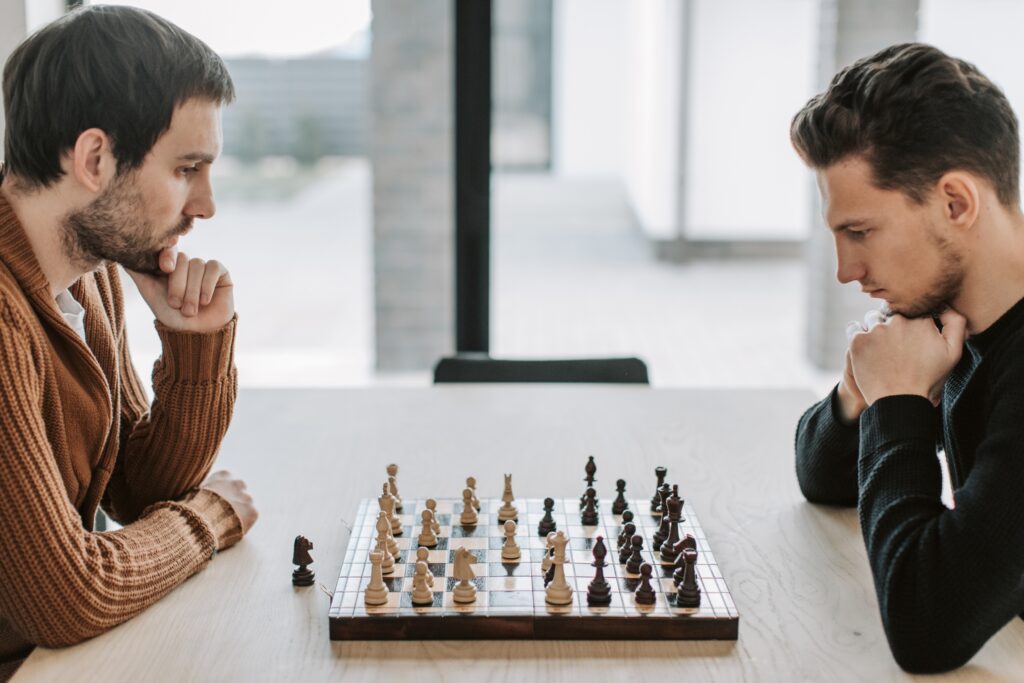
Not everyone enjoys physical sports, and that is completely normal. While traditional fitness activities like running, weight training, or team sports offer health benefits, they are not the only way to stay sharp and engaged. For many people, the idea of competition, challenge, and skill-building feels more enjoyable through strategy, logic, memory, and mental focus rather than physical movement. That is where mind sports come in.
Mind sports are competitive or skill-based games that rely primarily on brainpower. They develop concentration, critical thinking, problem-solving, and mental endurance. Some mind sports are fast-paced and intense, while others are calm, methodical, and relaxing. Many can be played solo, online, or with friends, making them accessible to different lifestyles and personalities.
These games are especially appealing for people who prefer quiet hobbies, individuals with limited mobility, or anyone looking for stimulating activities without physical strain. From chess and poker to puzzles and memory games, mind sports provide a rewarding way to improve mental skills while still enjoying the excitement of competition and achievement.
Chess: The Classic Mind Sport for Strategy and Focus
Chess is often considered the most iconic mind sport in the world. It is a game of pure strategy, requiring planning, prediction, patience, and deep concentration. While the rules are easy to learn, mastering chess takes years of practice and mental discipline. This is one reason it remains one of the most respected brain-based competitions worldwide.
Chess improves logical thinking and problem-solving skills. Players learn to anticipate moves, recognize patterns, and make decisions under pressure. It also strengthens memory, since experienced players often recall common openings and tactics. For beginners, chess can feel challenging at first, but improvement comes quickly with consistent practice.
This is a major reason chess is often featured in mental sports and brain training games discussions. It provides a perfect balance of mental stimulation and enjoyment without any physical effort. Chess can also be played in person or online, which makes it accessible for people of all ages. For those looking for a meaningful mental sport, chess is often the best starting point.
Go: The Deepest Strategy Game for Mental Endurance
Go is a traditional board game that originated in East Asia and is known for its extreme depth and complexity. The rules are simple: players place stones on a grid and try to control territory. However, the strategy involved is incredibly advanced. Go is often described as one of the most mentally demanding games in existence.
Unlike chess, where pieces have different movement rules, Go relies heavily on spatial awareness, long-term planning, and adaptability. Players must think about both offense and defense at the same time. The game can shift dramatically, requiring constant adjustment and creative problem-solving.
Go is often recommended in a complete mind and lifestyle improvement guide because it strengthens mental endurance. It teaches patience and the ability to think several steps ahead without rushing. Many people find it calming as well, because it requires focus and quiet attention.
For people who enjoy deep strategy but prefer a different style than chess, Go offers a powerful mental challenge. It is ideal for those who want a game that feels like a lifelong learning journey.
Poker: A Competitive Mind Sport of Psychology and Probability
Poker is one of the most popular mind sports for people who enjoy competition, risk management, and psychology. While it is often associated with gambling, poker at its core is a strategy game that requires decision-making, emotional control, and probability calculation.
Successful poker players learn to read opponents, manage their own behavior, and understand how odds work. It also teaches discipline, because impulsive decisions often lead to losses. Even casual poker improves math skills, pattern recognition, and patience.
Poker is frequently included in mental sports and brain training games because it is both social and intellectually engaging. It can be played casually with friends or competitively online. However, it is important for players to approach poker responsibly, especially when money is involved.
In a complete mind and lifestyle improvement guide, poker is often described as a mental sport that builds emotional control. Learning how to stay calm under pressure is one of the most valuable skills poker can teach, and it applies far beyond the game itself.
Competitive Puzzles: Sudoku, Crosswords, and Speed Challenges
Puzzles are sometimes underestimated as mind sports, but competitive puzzle-solving has become increasingly popular. Sudoku, crosswords, logic puzzles, and pattern challenges improve concentration, memory, and mental speed. Many puzzle lovers enjoy timed challenges or competitions, where solving quickly becomes part of the thrill.
Sudoku strengthens logical sequencing and pattern recognition. Crosswords improve vocabulary and general knowledge. Logic puzzles build reasoning and deduction skills. Many of these puzzles can be done daily, which makes them a practical mental habit rather than a one-time hobby.
This is why puzzles are a major part of mental sports and brain training games. They can be played alone, require no equipment, and still provide a strong sense of achievement. Competitive puzzle communities also exist online, allowing players to compare times, join tournaments, and challenge others.
For people who want mind sports without learning complex rules, puzzles are one of the easiest and most enjoyable ways to begin.
Esports Strategy Games: Competitive Gaming Without Physical Sports
Esports has created a new category of mind sports for modern audiences. While esports involves fast reflexes, many games rely heavily on strategy, teamwork, and decision-making rather than physical strength. Games like League of Legends, Dota 2, Hearthstone, and Teamfight Tactics require planning, timing, and deep understanding of mechanics.
Turn-based strategy games such as Chess.com online chess, digital card games, and tactical games also fall into this category. These games allow players to compete globally while building mental skills such as focus, memory, and adaptability.
A complete mind and lifestyle improvement guide often includes esports because it represents modern competitive thinking. Many players enjoy esports because it feels like a sport, but without physical demands. It offers ranking systems, tournaments, and skill progression similar to traditional sports.
For people who want competitive excitement without physical strain, esports strategy games provide an engaging and social alternative.
Conclusion
Mind sports offer an exciting and rewarding alternative for people who want competition and skill-building without physical activity. Games like chess, Go, poker, puzzles, and esports strategy titles provide mental stimulation while strengthening focus, memory, problem-solving, and emotional control. By exploring mental sports and brain training games, individuals can find activities that match their personality—whether they prefer calm strategy, fast logic challenges, or social competition. At the same time, following a complete mind and lifestyle improvement guide highlights how these activities contribute to overall well-being by keeping the brain active, reducing stress, and supporting lifelong learning. Mind sports prove that athletic energy does not always require physical movement. For many people, mental competition is just as thrilling as traditional sports, and in some cases, even more satisfying. The key is choosing games that feel enjoyable rather than overwhelming, and allowing improvement to happen naturally over time. With the right mind sport, anyone can experience the excitement of competition while strengthening brainpower in a fun and meaningful way.