
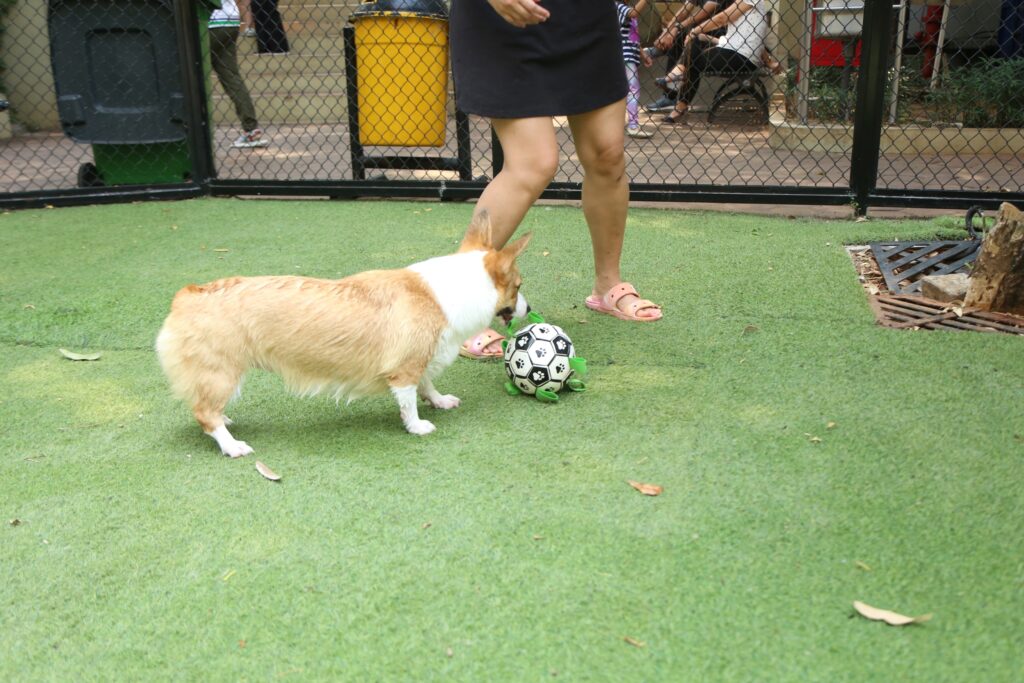
Dogs need physical activity, but exercise does not have to mean long walks every day. Many pets thrive when they are given games, challenges, and playful activities that stimulate both the body and the mind. Dog sports and physical games can improve fitness, reduce boredom, and strengthen the bond between dogs and their owners. They also help prevent common behavior problems caused by excess energy, such as chewing, barking, or restlessness.
However, not every dog enjoys structured sports. Some dogs love chasing, jumping, and competing, while others prefer relaxed walks, sniffing adventures, or gentle play. A healthy and happy dog is not one that performs perfectly—it is one that feels safe, confident, and engaged.
The most important part of introducing dog sports is preparation. Dogs need the right training approach, safe equipment, and gradual conditioning. Owners also need to watch their dog’s interest level. If a dog shows fear, stress, or no excitement, it is better to switch activities rather than force participation. Dog sports should be enriching, not stressful.
Fetch and Retrieval Games: A Classic That Builds Fitness
Fetch is one of the simplest and most effective physical games for dogs. It encourages running, jumping, and fast movement, which helps improve cardiovascular health and burn energy. Fetch also strengthens focus and obedience when dogs learn to wait, release, and return the toy properly.
Preparation matters, especially for dogs that get overly excited. Owners should start in a safe, open area with minimal distractions. Using soft balls or durable rubber toys helps prevent tooth damage. It is also important to avoid constant repetitive throwing for dogs prone to joint issues, especially larger breeds or older dogs.
This is where fun dog exercise and pet enrichment activities become more than just play—they become structured and healthy routines. Short sessions are better than long exhausting ones. Owners should also watch for signs of overheating, heavy panting, or limping.
If a dog shows no interest in fetch, that is completely normal. Some dogs prefer tug, sniffing, or interactive games. The goal is not to make every dog a “fetch dog,” but to find what naturally excites them and supports healthy movement.
Tug-of-War: Strength, Confidence, and Bonding
Tug-of-war is one of the best indoor and outdoor games for dogs, especially for pets that enjoy pulling and gripping. It strengthens muscles, builds confidence, and provides mental engagement. Many dogs also find tug more satisfying than fetch because it feels like a shared activity rather than chasing alone.
The most important preparation for tug is teaching basic rules. Dogs should learn “take it,” “drop it,” and “gentle.” Using a durable tug rope or soft tug toy prevents injuries. Owners should avoid tugging too aggressively or jerking upward, which can strain the dog’s neck and spine.
This is often recommended in trusted pet care and training advice because tug can actually improve obedience when done correctly. It also teaches impulse control, which is valuable for excitable dogs.
However, tug is not for every dog. Some dogs become overly aroused or uncomfortable with rough play. If a dog seems stressed, avoids the toy, or shows signs of frustration, it is better to switch to calmer games. Dogs should never be pressured into tugging if it does not match their temperament.
Agility Training: A Sport for Active, Curious Dogs
Dog agility is one of the most popular dog sports in the world. It involves obstacle courses with tunnels, jumps, weave poles, ramps, and platforms. Agility builds speed, coordination, confidence, and teamwork. It also strengthens the bond between dog and handler because it relies heavily on communication and trust.
Preparation for agility should always start slowly. Beginners should focus on basic obedience and simple obstacles before attempting full courses. A dog should be physically healthy, and owners should avoid jumping exercises for puppies whose joints are still developing. Warm-up routines and safe surfaces are also essential.
Agility fits perfectly into fun dog exercise and pet enrichment activities because it stimulates both the body and the brain. Dogs must think, follow cues, and stay focused while moving quickly.
That said, agility should never be forced. Some dogs dislike jumping, tight spaces, or fast-paced movement. If a dog seems anxious, hesitant, or disinterested, owners should respect that. A dog’s emotional comfort matters more than performance. Not every dog is meant for agility, and that is completely okay.
Nose Work and “Find It” Games: Exercise for the Mind and Body
Not all dog games need to be physically intense. Nose work is one of the best activities for dogs because it taps into their natural instincts. Dogs love using their sense of smell, and sniffing is mentally exhausting in a healthy way. This makes nose work perfect for older dogs, shy dogs, or dogs that are not highly athletic.
A simple “find it” game can be done at home using treats hidden under cups, in boxes, or around a room. More advanced versions include scent training, where dogs learn to search for specific smells. Nose work builds confidence because dogs succeed through instinct rather than speed.
This is frequently recommended in trusted pet care and training advice because it works for almost every breed and personality. It also reduces stress and supports calm behavior.
If a dog does not enjoy intense sports, nose work can be a perfect alternative. It provides enrichment without forcing the dog into uncomfortable situations. Many dogs who dislike running and jumping still become excited and engaged when scent games are introduced.
Swimming and Water Games: Low-Impact Fun for Many Dogs
Swimming is an excellent low-impact exercise that builds muscle while protecting joints. It is especially beneficial for larger breeds, overweight dogs, or pets recovering from injury (with veterinary approval). Water play can include swimming, retrieving floating toys, or simply splashing in shallow areas.
Preparation is crucial. Not all dogs are natural swimmers, and some dislike water. Owners should start slowly in calm, shallow water. A dog life jacket is strongly recommended for safety, especially in lakes or deep pools. Owners should also avoid strong currents and never force a dog into water.
Swimming is often included in fun dog exercise and pet enrichment activities because it provides full-body movement and can be very enjoyable for water-loving dogs. However, some dogs become fearful or stressed around water, and that should be respected. If a dog shows hesitation, shaking, or attempts to escape, the activity should stop immediately.
A successful dog sport experience is one that feels fun and safe—not one that creates anxiety or discomfort.
Conclusion
Dog sports and physical games can be a wonderful way to keep pets healthy, engaged, and emotionally balanced. Activities like fetch, tug-of-war, agility, nose work, and swimming offer different benefits depending on a dog’s personality, energy level, and physical condition. By focusing on fun dog exercise and pet enrichment activities, owners can build routines that support fitness while also strengthening the bond between human and dog. At the same time, following trusted pet care and training advice reminds pet owners that participation should always be voluntary. Dogs are individuals, and not every dog enjoys structured sports or intense physical challenges. If a dog shows stress, fear, or disinterest, it is better to switch to another activity rather than forcing them to perform. The goal is enrichment, not competition. With safe preparation, patience, and respect for a dog’s comfort level, pet owners can create fun experiences that support long-term health, happiness, and trust.