
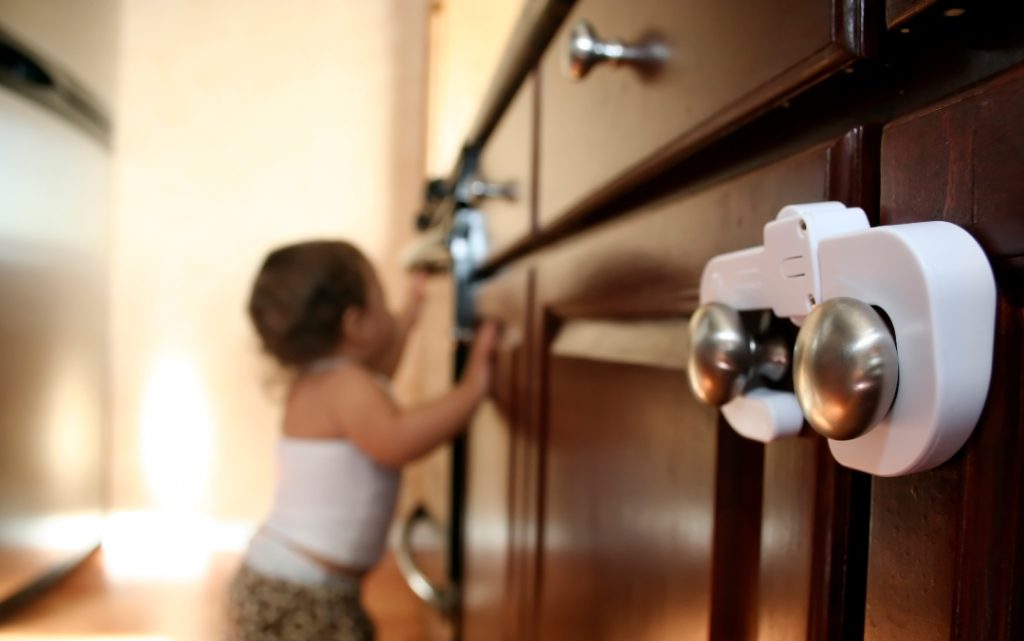
A home should be a safe place for children, but once babies start crawling and toddlers begin exploring, everyday spaces can quickly become full of hidden hazards. Children are naturally curious, and they often learn by touching, climbing, and testing boundaries. While this is a normal part of development, it also means that homes need extra safety planning to prevent accidents.
Childproofing is not about making a home perfect or turning it into a restricted zone. It is about reducing risk and creating a safer environment where children can explore without constant danger. Many common household items—such as cabinets, cords, furniture edges, cleaning supplies, and even window blinds—can become safety concerns if not secured properly.
The good news is that childproofing does not have to be expensive or complicated. Simple adjustments can prevent falls, burns, choking hazards, poisoning, and other injuries. With the right approach, families can create a home that supports both safety and comfort, allowing parents to feel more relaxed and children to grow in a protected space.
Secure Furniture and Prevent Dangerous Falls
One of the most important childproofing steps is securing furniture. Toddlers love climbing, and furniture that seems stable to adults can tip over easily when a child pulls on drawers or tries to climb. Dressers, bookshelves, and TV stands should be anchored to the wall using anti-tip straps.
Corner protectors can also reduce injuries from falls. Sharp table edges, low shelves, and hard corners can cause serious bumps and bruises, especially for toddlers learning to walk. Adding soft edge guards in common play areas is a simple but effective solution.
This is one of the most essential home safety tips for families with kids, because tip-over accidents are more common than many parents realize. It is also important to keep heavy items on lower shelves and avoid placing attractive objects, like toys or remotes, on high furniture where children may climb to reach them. A few safety adjustments in the living room and bedrooms can prevent major injuries and create a safer everyday environment.
Childproof the Kitchen: Cabinets, Appliances, and Hot Surfaces
The kitchen is one of the most dangerous areas in a home for small children. It contains sharp tools, choking hazards, cleaning products, and heat sources that can cause burns. Childproofing the kitchen should focus on controlling access and reducing risk.
Cabinet locks are essential for lower cabinets, especially those storing cleaning supplies, knives, glass items, or small objects. Stove knob covers help prevent children from turning on burners. Using back burners and turning pot handles inward also reduces burn risk. Appliance cords should be kept out of reach to prevent pulling accidents.
Following a practical parenting and home living guide often highlights that prevention is easier than reaction. Many parents assume they can “watch closely,” but accidents happen in seconds. A toddler can open a cabinet or reach a hot surface faster than expected. Creating physical barriers and using safety tools reduces constant stress and makes the kitchen safer for everyone in the home.
Bathroom Safety: Prevent Slips, Poisoning, and Drowning Risks
Bathrooms may look harmless, but they contain serious safety hazards for young children. Slippery floors, hot water, medications, and cleaning products all pose risks. One of the most important steps is installing a toilet lock. Toddlers are curious and can easily fall in or attempt to play in toilet water.
Non-slip mats in the bathtub and on bathroom floors help prevent falls. Another important step is controlling water temperature. Setting the water heater to a safe level helps reduce the risk of burns. Many parents also use faucet covers to prevent injuries from sharp edges.
Medications, razors, and cosmetics should be stored in locked cabinets or high shelves. Even small amounts of certain products can be dangerous if swallowed.
These steps are critical home safety tips for families with kids, because bathroom accidents can happen quickly. It is also recommended to never leave children unattended near water, even for a moment. A small amount of water can still be a drowning risk for babies and toddlers, making bathroom safety a top priority.
Electrical, Choking, and Cord Hazards Around the House
Many childproofing concerns are not obvious until a child begins crawling and grabbing objects. Electrical outlets should be covered with safety plugs or sliding outlet covers. Loose cords from lamps, blinds, and electronics can be pulled, chewed, or wrapped around a child’s body, creating strangulation risks.
Blind cords are especially dangerous. Cordless blinds are the safest option, but if that is not possible, cord winders and cord cleats can keep them secured and out of reach. Extension cords should be minimized, and power strips should be covered with protective boxes.
Small objects are another major risk. Coins, batteries, buttons, small toys, and loose parts can become choking hazards. Regularly scanning floors and low surfaces helps prevent accidents.
A practical parenting and home living guide often emphasizes that childproofing is not a one-time task. As children grow, their abilities change quickly. A baby who cannot crawl today may be climbing furniture next month. Regular safety checks help parents stay ahead of new risks as children develop.
Window, Door, and Stair Safety for Growing Toddlers
Windows, doors, and stairs become major safety concerns as toddlers become more mobile. Window guards or window stops prevent children from opening windows too far. Screens are not designed to prevent falls, so relying on them is unsafe. Furniture should also be kept away from windows to prevent climbing.
For stairs, safety gates are essential. Gates should be installed at both the top and bottom of staircases, and they should be properly secured rather than pressure-mounted in high-risk areas. Door knob covers and childproof locks can prevent children from accessing unsafe rooms, such as laundry areas, garages, or storage spaces.
These measures are some of the most important home safety tips for families with kids, because falls and wandering accidents are common in toddler years. Safety gates and window locks give parents peace of mind and allow children to explore more safely. A home that controls access to dangerous areas becomes a healthier and calmer environment for both children and caregivers.
Conclusion
Childproofing a home is one of the most important steps parents can take to protect young children during their most curious and adventurous years. From securing furniture and blocking access to dangerous kitchen and bathroom items, to preventing falls, choking hazards, electrical risks, and window or stair accidents, small changes can make a major difference in daily safety. By following home safety tips for families with kids, parents can reduce preventable injuries and create a home environment where children can explore with less danger. At the same time, using a practical parenting and home living guide reminds families that childproofing is an ongoing process. As children grow, new risks appear, and safety strategies need to adapt. The goal is not to create a perfect home, but a safer one. With simple tools, consistent awareness, and smart setup choices, parents can build a home that supports both safety and comfort—giving children freedom to learn while giving adults peace of mind.