
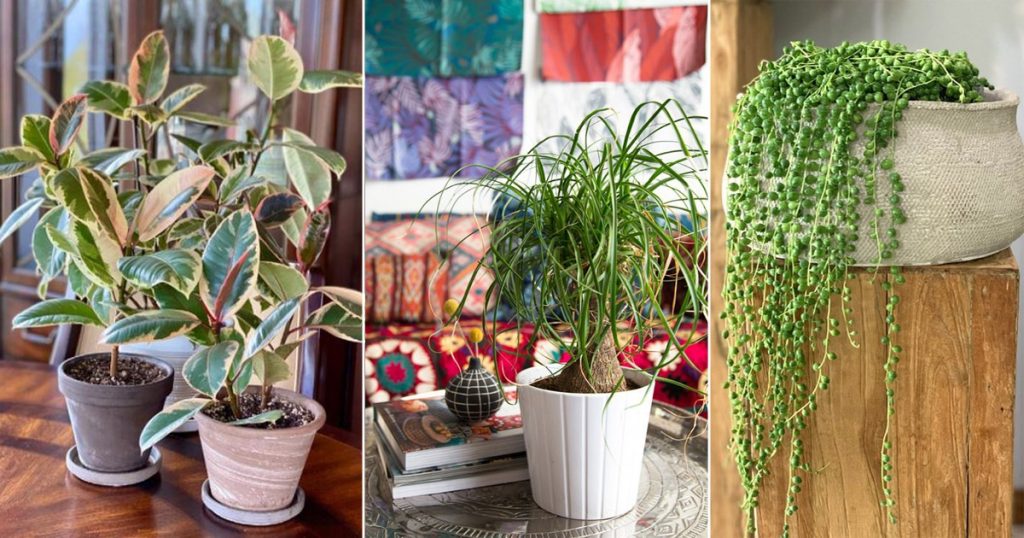
Not everyone has the time, routine, or confidence to care for high-maintenance houseplants. Many people love the idea of having greenery indoors, but they worry about forgetting to water, overwatering, or choosing plants that wilt too easily. The good news is that there are plenty of beautiful houseplants that do not need a lot of water. These plants are perfect for beginners, busy homeowners, frequent travelers, and anyone who wants a low-stress way to keep their space fresh and inviting.
Low-water houseplants are often naturally drought-tolerant. Many store moisture in their leaves, stems, or roots, allowing them to survive longer periods without watering. Others grow slowly and prefer dry soil between waterings. In addition to being easier to care for, these plants can improve indoor air quality, boost mood, and enhance home décor.
Understanding which plants thrive with minimal watering helps indoor plant lovers build a healthier, longer-lasting plant collection without constant maintenance.
Snake Plant: One of the Easiest Indoor Plants to Maintain
The snake plant, also known as Sansevieria or “mother-in-law’s tongue,” is one of the most popular low-water houseplants in the world. It has tall, upright leaves with striking patterns, making it both decorative and practical. What makes the snake plant ideal for beginners is its ability to survive neglect. It thrives in dry conditions and can go weeks without watering.
Snake plants prefer well-draining soil and should only be watered when the soil is completely dry. Overwatering is one of the few things that can harm it, as excess moisture can cause root rot. This makes it perfect for people who tend to water too often or forget to check soil moisture.
This plant also adapts well to different lighting conditions. It can tolerate low light, though it grows faster in bright, indirect light. For anyone searching for low-maintenance home and garden plant ideas, the snake plant is often considered a top choice because it is hardy, attractive, and forgiving. It brings a modern, clean look to any room while requiring very little attention.
ZZ Plant: The Ultimate “Forget-to-Water” Houseplant
The ZZ plant is another indoor favorite for people who want greenery without constant care. Its glossy leaves and thick stems give it a polished, almost artificial look, which is part of why it has become so popular in homes and offices. The ZZ plant is highly drought-tolerant because it stores water in its underground rhizomes, allowing it to survive long dry periods.
This plant prefers to dry out between waterings, and in many cases, watering once every two to three weeks is enough. It also does well in low-light environments, making it a strong option for apartments, offices, or rooms with limited sunlight.
For people who want indoor plants as part of simple living and home comfort tips, the ZZ plant fits perfectly. It creates a calming, clean atmosphere without demanding daily attention. It also grows slowly, meaning it will not outgrow its space quickly. As long as it is not overwatered, the ZZ plant can stay healthy and beautiful for years.
Aloe Vera: A Useful Plant That Thrives in Dry Soil
Aloe vera is well-known for its soothing gel, but it is also one of the best low-water houseplants. It is a succulent, meaning it stores water in its thick leaves. This allows it to handle dry conditions much better than most leafy houseplants. Aloe vera prefers bright, indirect sunlight and well-draining soil, making it ideal for windowsills and sunny indoor spots.
Aloe should only be watered when the soil is completely dry. Depending on the season and indoor temperature, this may mean watering every two to four weeks. In colder months, aloe often needs even less water. Overwatering is the most common issue, so it is better to water too little than too much.
As part of low-maintenance home and garden plant ideas, aloe vera offers both beauty and function. Many people enjoy having it because it feels practical—its gel can be used for minor skin irritation, dryness, or sunburn. This combination of usefulness and low care makes aloe vera one of the most rewarding indoor plants for beginners and busy households.
Pothos and Drought-Tolerant Vines for Easy Greenery
While pothos is not technically a drought plant like a succulent, it is still considered low-maintenance because it tolerates missed waterings well. Pothos vines are known for their trailing growth and attractive heart-shaped leaves. They are often used in hanging baskets, shelves, or wall-mounted planters to add greenery without taking up floor space.
Pothos prefers to dry slightly between waterings. If the leaves begin to droop, it is usually a sign it needs water, and it often recovers quickly after watering. It is also adaptable to different light levels, though it grows best in bright, indirect light.
This plant is often recommended in simple living and home comfort tips because it creates a cozy, natural feel indoors with minimal effort. Pothos also grows quickly, making it satisfying for new plant owners who want to see visible progress. With basic care and occasional trimming, pothos can thrive for years while requiring far less attention than many other indoor plants.
Cactus and Other Succulents: Low Water, High Style
Cacti and succulents are classic low-water plants, and they are perfect for anyone who wants a modern, stylish indoor plant collection. These plants are designed by nature to survive in dry climates. They store water in their stems and leaves, allowing them to thrive even when watering is infrequent.
Popular indoor succulents include jade plants, echeveria, haworthia, and string of pearls. Most of these plants require bright light and should be planted in well-draining cactus soil. Watering should only happen when the soil is completely dry. In many homes, this means watering once every two to four weeks.
For people searching for low-maintenance home and garden plant ideas, succulents offer endless variety. They come in different shapes, colors, and textures, allowing homeowners to decorate with plants that feel artistic and unique. They are also ideal for small spaces because many succulents remain compact. With proper lighting and careful watering, succulents can stay healthy and beautiful with very little daily effort.
Conclusion
Low-water houseplants are the perfect solution for anyone who wants indoor greenery without the stress of constant care. Plants like snake plants, ZZ plants, aloe vera, pothos, and succulents thrive with minimal watering and can handle busy schedules, travel, and occasional forgetfulness. By focusing on low-maintenance home and garden plant ideas, homeowners can build a beautiful indoor plant collection that feels refreshing, calming, and easy to manage. At the same time, following simple living and home comfort tips makes it easier to create a home environment that feels warm and natural without adding extra responsibilities. The key to success with low-water plants is choosing well-draining soil, avoiding overwatering, and placing plants in suitable lighting conditions. With these simple habits, even beginners can enjoy thriving houseplants that enhance décor, improve mood, and bring life into everyday spaces. Low-water indoor plants prove that a greener home does not have to require constant effort—it just requires the right choices.